Cheltenham Festival Betting Guide: Live Odds, Key Races, and Punting Data
 Available in US
Cheltenham Festival Is the Highest-Turnover Week in UK Jump Racing
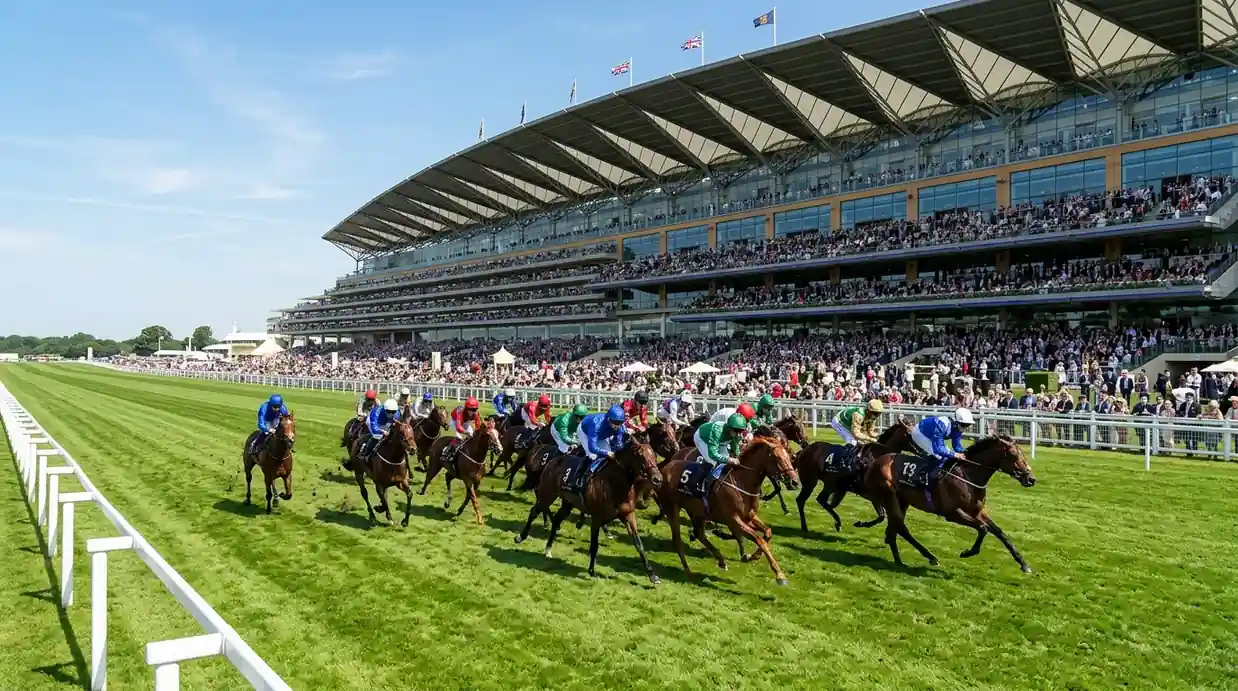
Every March, four days in the Cotswolds generate more betting turnover than most racecourses see in an entire year. During the 2025 Festival, every single one of the 28 races run at Cheltenham ranked inside the season’s top 31 by betting volume. No other meeting comes close to that density of high-liquidity markets.
I’ve been covering Cheltenham as a betting analyst since 2017, and the pattern repeats: the Festival compresses a season’s worth of market drama into four intense days. Ante-post books that have been open for months slam shut, in-play markets swing violently in races with packed fields, and the gap between informed punters and casual once-a-year bettors becomes the widest it is all season. That gap is where the opportunities sit.
What makes Cheltenham unique from a betting perspective isn’t just the quality of racing — it’s the volume of money. Large fields, big-name trainers running their best horses on prepared ground, and a national audience that only tunes in for this week and the Grand National. The result is deep liquidity, sharp price moves, and a four-day stretch where paying attention to the data actually pays.
The Festival also concentrates the biggest ante-post liabilities of the season. Horses that have been backed since the autumn see their ante-post prices finally resolved. For the operators, Cheltenham week is the single largest risk event on the jumps calendar, which explains why the promotional activity — enhanced place terms, money-back specials, live streaming pushes — reaches a peak that nothing else matches. Understanding how each day’s card is structured gives you an advantage over punters who treat all 28 races as interchangeable.
Key Races and Market Profiles Across the Four Days
Not all Cheltenham races behave the same way in the betting ring, and recognising the market profile of each contest matters more than most people realise.
Tuesday opens with the Supreme Novices’ Hurdle and the Champion Hurdle. The Supreme tends to feature emerging horses with relatively thin form profiles, which means the ante-post market is more volatile and drifters can produce value on the day. The Champion Hurdle, by contrast, usually has a clear market leader for weeks in advance. The favourite’s price compresses gradually — it rarely drifts — which limits the room for BOG payouts and makes the place market more interesting for each-way punters.
Wednesday’s highlight is the Queen Mother Champion Chase: a two-mile speed test that typically has a smaller field and shorter-priced runners. The market profile is tight — overrounds are lower than average because the field is small and the form is well-exposed. This is a race where the value often lies in opposing the favourite rather than backing it.
Thursday brings the Stayers’ Hurdle and the Ryanair Chase, and on Friday the Gold Cup closes the Festival. The Gold Cup field is usually ten to fourteen runners — large enough for each-way terms of a quarter odds, first four places — and the betting market is the deepest of the week. In 2025, the Gold Cup generated the single highest betting turnover of any race in the entire jumps season. The three-mile-plus trip and undulating Cheltenham hill create in-play dynamics where positions change significantly from the top of the hill to the finish, making live odds particularly volatile in the final half-mile.
In-Play Betting at Cheltenham: Mobile, Speed, and Odds Movement
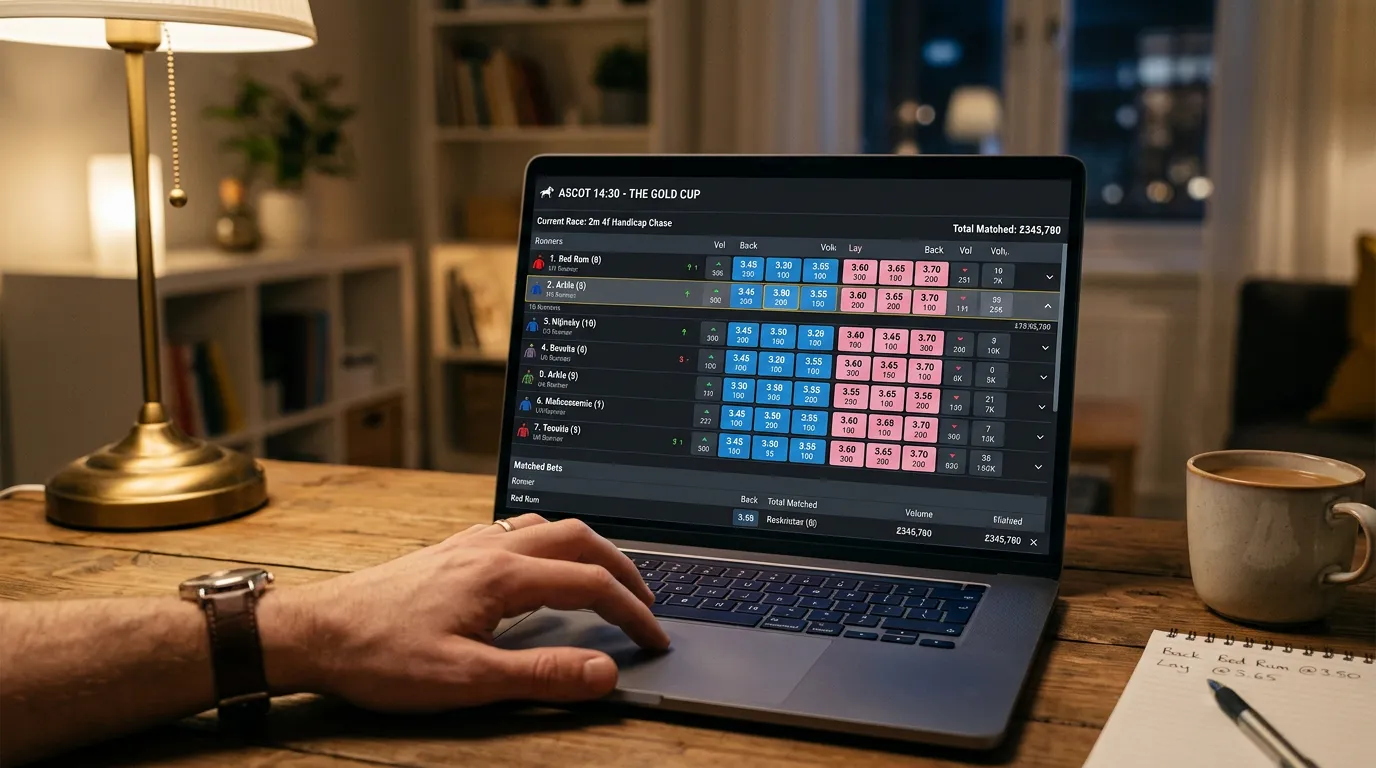
Over 80% of bets placed during the 2024 Festival were made via mobile devices, and each-way betting volumes surged 25% compared to the previous year. Those two data points tell you everything about the modern Cheltenham punter: they’re on a phone, they’re betting in the moment, and they’re increasingly reaching for each-way rather than straight win bets.
The in-play market at Cheltenham moves faster than at most meetings because the quality of the field is higher and the information content of each positional change is greater. When the favourite gets shuffled back to fifth position going down the hill, the market reacts within seconds. Alan Delmonte, the HBLB’s Chief Executive, noted that the last two months of the 2024-25 season — February and March, which includes Cheltenham — produced significantly higher than usual bookmaker gross margins, shaped by particularly bookmaker-friendly outcomes at the Festival. In other words, the market doesn’t always get it right at Cheltenham, and when the favourites stumble, the bookmakers profit.
For in-play punters, this creates a specific opportunity: Cheltenham’s topography causes dramatic position changes late in races. Horses that are travelling well turning for home can falter on the hill, and closers who are apparently out of contention at the third-last can power through the field. If you’re watching live and the market overreacts to a favourite’s mid-race position, the in-play price on an alternative can momentarily represent genuine value. Speed of execution matters — the stream delay on most platforms runs between three and ten seconds behind real time, and that’s an eternity in a market moving this fast.
Each-Way Value in Large-Field Cheltenham Handicaps
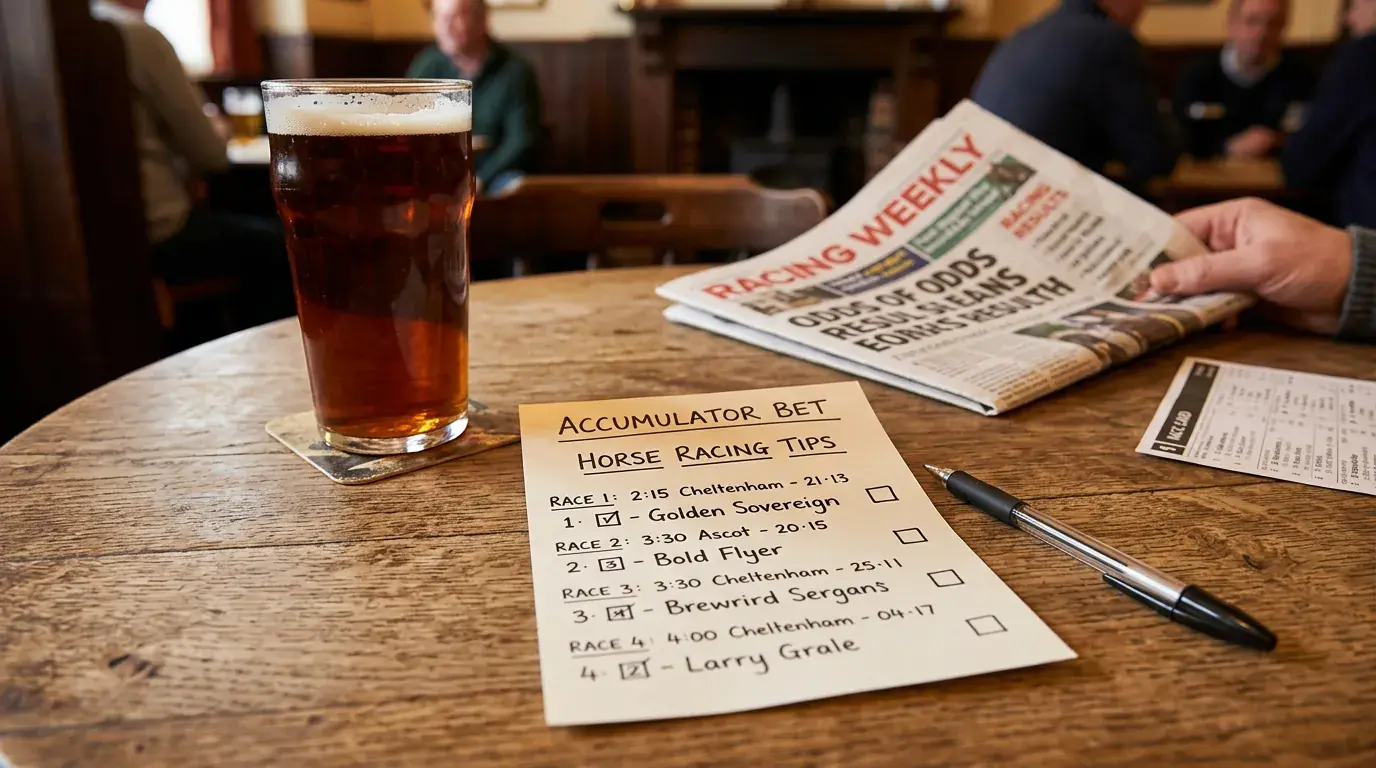
The big handicaps — the Coral Cup, the County Hurdle, the Grand Annual, the Martin Pipe — routinely attract fields of twenty or more runners. At that size, standard each-way terms are a quarter odds for the first four places. Some operators extend to five or even six places as a promotional offer during Festival week, which fundamentally changes the maths of each-way betting.
Here’s why that matters. In a 24-runner handicap, the implied probability of any horse finishing in the first four is naturally higher than in an eight-runner Grade 1. An outsider at 25/1 in a big handicap with enhanced place terms — say, six places at a quarter odds — gives you a place return of 6.25/1 across six finishing positions. The true probability of that horse finishing in the top six of a competitive 24-runner handicap is higher than most people intuitively estimate, especially if its form figures include consistent placed efforts.
I focus my Cheltenham each-way bets almost exclusively on the handicap races rather than the championship events. The championship races — Champion Hurdle, Gold Cup, Champion Chase — tend to have shorter-priced fields with less each-way value because the favourite is often odds-on or close to it, squeezing the place fraction. The handicaps, with their big fields and unpredictable outcomes, are where the place market each-way structure actually works in the punter’s favour.
Cheltenham Festival Betting Questions Answered
When do Cheltenham Festival ante-post markets typically open?
Major bookmakers open ante-post markets for the feature Cheltenham races — Champion Hurdle, Gold Cup, Champion Chase, Stayers Hurdle — as early as the previous spring, roughly twelve months before the Festival. Markets for supporting races like the Supreme, the Arkle, and the big handicaps usually open from November onwards, once the early-season trials have been run and the likely entries become clearer.
How many extra-place offers do bookmakers run during Cheltenham?
During Festival week, most major UK operators extend place terms on the large-field handicaps from the standard four places to five or six. Some run extra-place offers on every Cheltenham race regardless of field size. The number and terms vary by operator and are usually confirmed in the days leading up to the Festival, so checking across multiple accounts is worthwhile.
Published by the Live Betting Horse Racing team.