The UK Horse Racing Industry: Economic Impact, Attendance, and Key Figures
 Available in US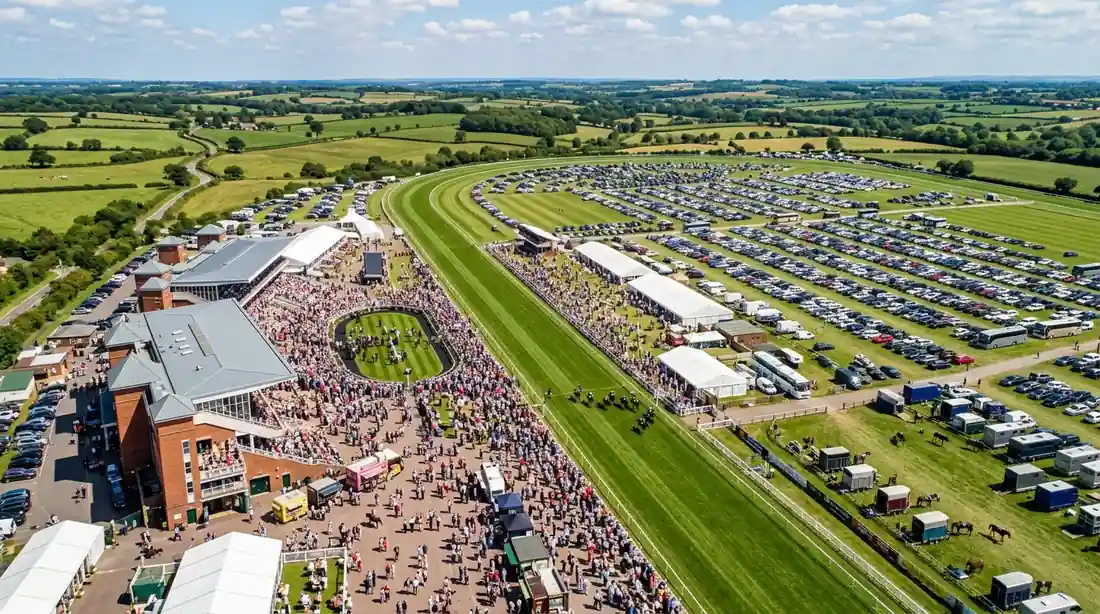
UK Horse Racing Generates 4.1 Billion Pounds in Economic Activity Each Year
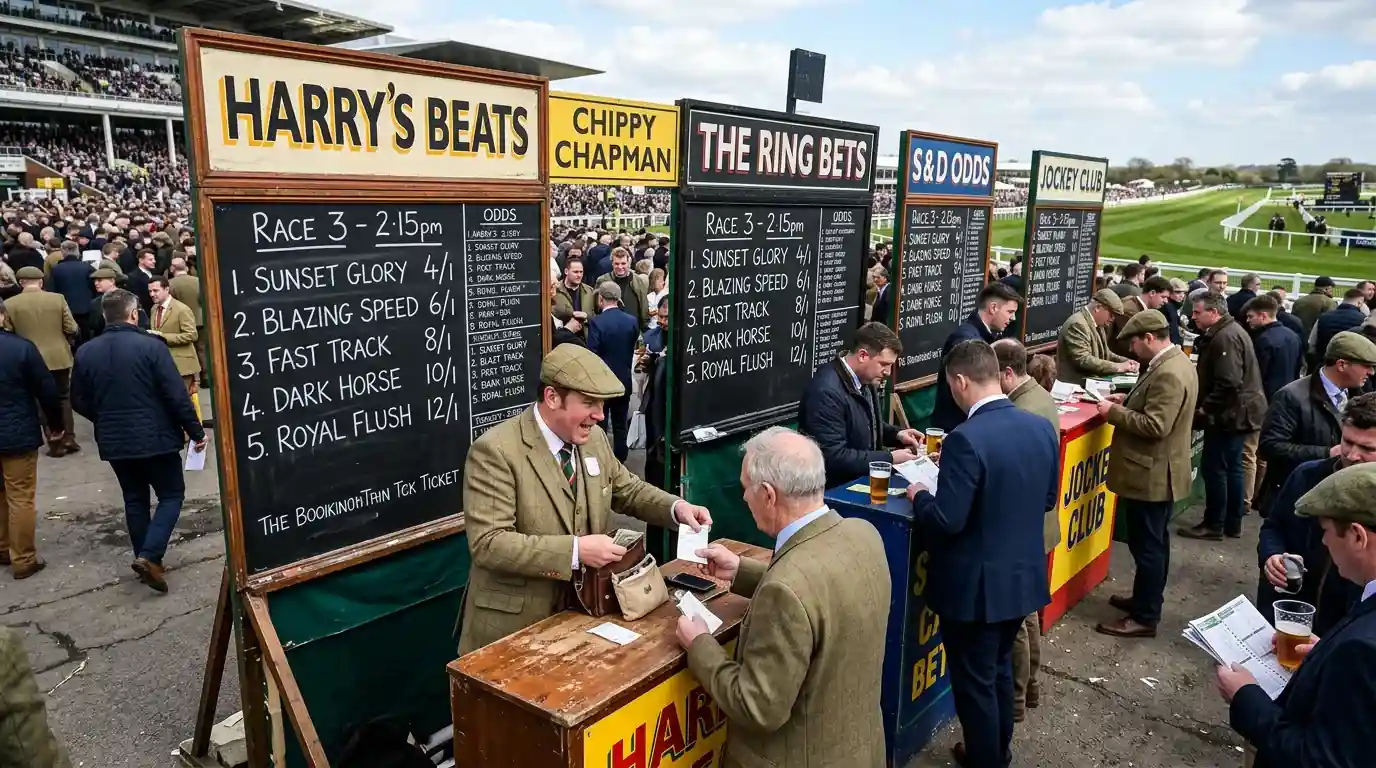
Horse racing is not a niche hobby in Britain. It’s a 4.1 billion pound industry that supports over 20,000 direct jobs across 59 racecourses, feeds a breeding and training infrastructure stretching from Newmarket to the Welsh borders, and sustains a betting ecosystem that generates hundreds of millions in tax revenue annually. I’ve spent nine years analysing the betting side of the sport, but the deeper I dig into the economic data, the more I appreciate that what happens on the racecourse is inseparable from what happens in the betting ring, the stud farm, and the Treasury.
That 4.1 billion figure includes direct economic activity — racecourse operations, prize money, training fees, jockey earnings — as well as indirect and associated spending: hospitality, tourism, transport, media rights, and the vast agricultural supply chain that breeds, feeds, and cares for racehorses from birth to retirement. British racing is an economic ecosystem, and understanding its structure gives context to the betting decisions you make every time you back a horse.
Attendance and Participation: The Post-Pandemic Recovery
Racecourse attendance hit 5.031 million in 2025 — the first time it exceeded five million since before the pandemic. That recovery matters for bettors because on-course attendance drives media coverage, which drives casual betting interest, which drives liquidity in the betting markets. The festivals — Cheltenham, Aintree, Royal Ascot, Glorious Goodwood — account for a disproportionate share of that attendance, but everyday racing at mid-tier venues contributes the steady base that keeps the sport’s infrastructure viable.
The recovery hasn’t been uniform. Premium fixtures — Cheltenham Festival, Royal Ascot — recovered faster because their brand power draws a national audience. Core fixtures at smaller venues — weekday cards at Carlisle, Ffos Las, Sedgefield — have been slower to rebuild, and the BHA’s projection that the number of races in Britain by 2027 will be 6 to 7% lower than in 2024 suggests that the fixture list will contract at the lower end. For bettors, fewer races means fewer opportunities but potentially better-quality fields at the remaining fixtures, as horses are concentrated into fewer events.
Participation in betting on horse racing stood at 4% of UK adults over a four-week period by October 2025, down from 7% between April and July. That seasonal variation is normal — more people bet during the festival months — but the overall trend of declining active participation is a concern for the sport’s funding model, which depends on betting turnover to fuel the levy.
Prize Money Sources and the Racing Funding Model
UK horse racing prize money comes from three main sources: the Horserace Betting Levy Board, racecourse contributions (including sponsorship), and owners’ entry fees. The HBLB allocated 72.7 million pounds to prize money in 2025, with 77.1 million planned for 2026. This levy-funded prize money represents the foundation for the majority of UK races, with racecourse contributions and sponsorship providing additional funding for feature events. An open letter from over 400 leaders in British racing warned that adding further regulatory burden at a time of declining turnover would be a grave misjudgment and a gift to the criminal underworld.
The relationship between betting and prize money is direct and measurable. More betting turnover generates higher GGY for operators, which generates a higher levy yield, which funds higher prize money, which attracts more owners and better horses, which produces better racing, which attracts more betting turnover. The cycle is virtuous when turnover grows and destructive when it contracts. Online turnover on horse racing fell by 1.6 billion pounds from its 2022 peak, and in real terms the decline is closer to 3 billion when adjusted for inflation. That drop has not yet fully flowed through to prize money because short-term levy yields have been sustained by higher-than-average bookmaker margins — but margins are cyclical, and the structural decline in turnover is the long-term risk.
For punters, the practical implication is this: the quality of racing you bet on is funded by the bets you and others place through regulated channels. Every pound wagered through an unlicensed operator is a pound that bypasses the levy and contributes nothing to the sport’s funding. Betting through licensed operators isn’t just a regulatory obligation — it’s a direct investment in the quality of the product you’re betting on.
Threats to the Industry: Regulation, Tax, and Fixture Cuts
British racing faces a convergence of pressures that, taken together, represent the most challenging environment in a generation. The tightening of affordability checks has pushed bettors towards unlicensed operators. The increase in Remote Gaming Duty to 40% — though horse racing was exempted — has reshaped operator economics in ways that may reduce overall promotional spend on racing. And the projected contraction in the fixture list means fewer races, fewer opportunities for owners, and potentially fewer racehorses in training.
The affordability check threshold — reduced to 150 pounds in net monthly deposits from February 2025 — is the most contentious policy in play. The racing industry’s position, expressed by figures from the BHA to the Jockey Club, is that blanket checks are disproportionate and are actively driving customers to unregulated alternatives. The Gambling Commission maintains that the checks are necessary to protect consumers from gambling-related harm. Both positions contain truth, and the tension between them will define the regulatory environment for years to come.
For the industry’s long-term health, the key metric to watch is total regulated betting turnover on UK racing. If turnover stabilises or recovers, the levy yield will follow, prize money will remain competitive, and the sport’s funding model will hold. If turnover continues to decline — whether through regulatory friction, black-market leakage, or competition from other gambling products — the sport faces a structural funding crisis that no amount of short-term margin improvement can mask. For the detail on the regulatory picture, the piece on affordability checks and their impact covers the specific policy that’s generating the most heat.
Industry Questions Answered
How many racecourses operate in the UK?
There are 59 racecourses operating in the UK, hosting both Flat and National Hunt fixtures throughout the year. These range from major venues like Ascot, Cheltenham, and Newmarket — which host multiple Group 1 or Grade 1 events annually — to smaller regional tracks that cater primarily to local racing. Six of these venues have all-weather surfaces that allow year-round Flat racing regardless of weather conditions.
What percentage of UK horse racing prize money comes from betting-related sources?
The betting levy is the single largest source of prize money for UK racing, with the HBLB allocating 72.7 million pounds in 2025 and 77.1 million planned for 2026. For the majority of races below the very top level, the levy provides the foundational funding. When combined with media rights income that is itself driven by betting-related viewership, betting-related sources account for the majority of total UK prize money. Racecourse contributions, sponsorship, and owners’ entry fees provide the remainder.
Written by the editors at Live Betting Horse Racing.