Grand National Live Betting: In-Play Odds and Aintree Data for UK Punters
 Available in US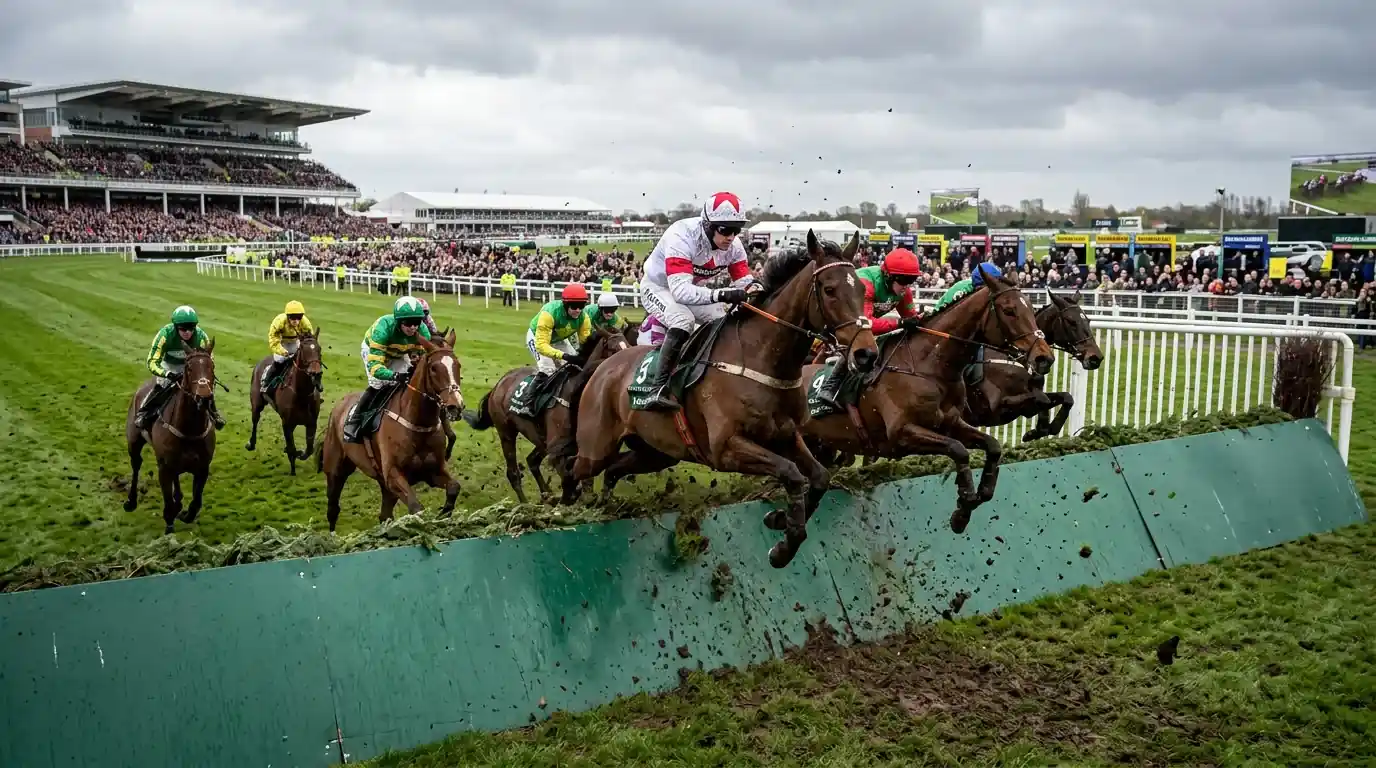
The Grand National Generates Over 200 Million Pounds in Bets — Most Placed Live
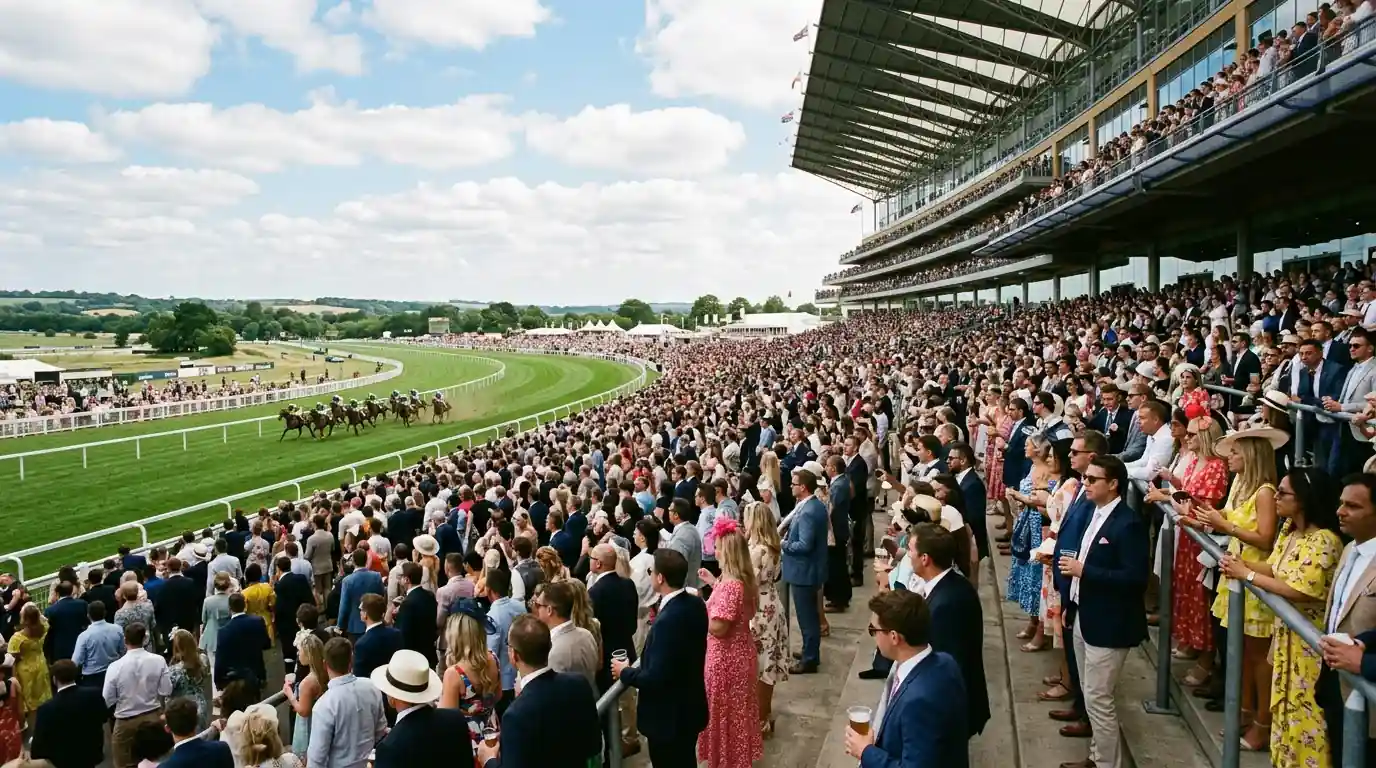
There is no single horse race on the planet that attracts more casual betting money than the Grand National. The betting turnover on the race alone exceeds 200 million pounds, and the three-day Aintree Festival as a whole generates over 200 million in combined handle. For one Saturday afternoon in April, an audience that barely thinks about horse racing the rest of the year places bets on a race they’ve watched since childhood.
I’ve analysed the National’s in-play market every year since 2018, and the dynamic is unlike anything else in UK racing. Forty runners, thirty fences, four miles and two furlongs of running, and a field that can lose a third of its participants before reaching the Canal Turn the second time. The sheer attrition rate means that the in-play market doesn’t just shift — it collapses and rebuilds multiple times within a single race. That volatility creates opportunities that don’t exist in any other event on the calendar.
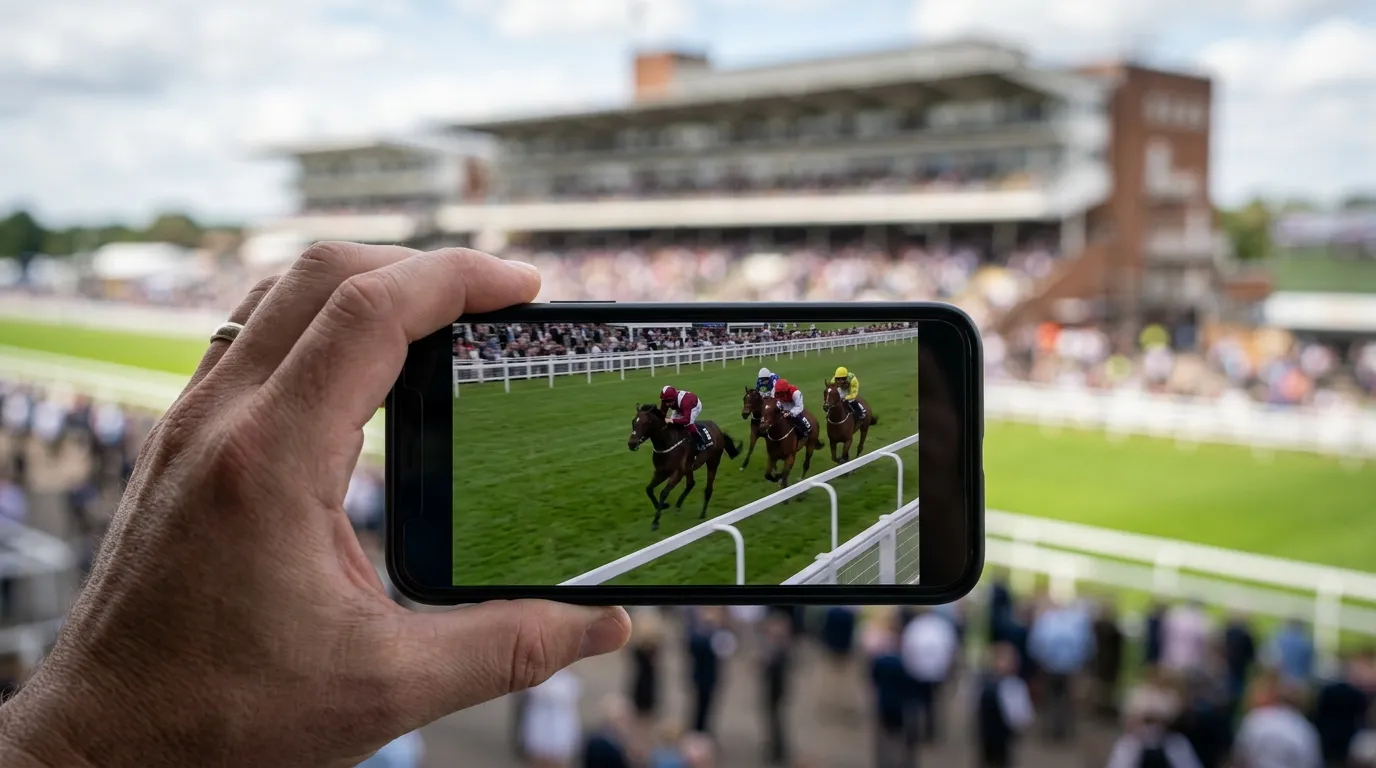
But it also creates traps. The National is the one race where the gap between what viewers think they’re seeing on screen and what’s actually happening on the course is widest. Stream delays, camera angles that obscure fallers at the back of the field, and the chaos of forty horses jumping simultaneously make real-time assessment genuinely difficult. Understanding how these dynamics play out in the in-play market is the difference between a calculated live bet and an emotional one.
In-Play Dynamics of a 40-Runner Steeplechase
Most in-play horse racing betting takes place in races with fields of eight to sixteen runners on flat or relatively straightforward courses. The Grand National breaks every assumption those markets train you to make.
With forty runners leaving the start, the initial in-play market is incredibly wide. Pre-race favourites typically go off between 5/1 and 10/1, which tells you immediately that the market assigns no single horse a probability above twenty percent. Once the tapes go up, the first two fences act as an immediate filter — loose horses, refusals, and fallers remove runners from the equation, and every elimination recalculates the surviving runners’ implied probabilities upward.
The key moments for in-play price movement are predictable: Becher’s Brook on the first circuit, the Canal Turn, Valentine’s, and then the same sequence again on the second circuit. A prominent faller at Becher’s — particularly a well-backed horse — can cause a market-wide repricing in seconds. The horse trading at 8/1 suddenly becomes 6/1, and the 33/1 outsider still standing and travelling well contracts to 16/1.
By the time the field reaches the Melling Road with four fences to jump, the race is typically down to twelve to eighteen surviving runners, and the market starts to resemble a more conventional in-play race. But the long run-in after the final fence — the longest of any National Hunt course in Britain — adds one more layer of uncertainty. Horses that lead over the last often get caught in the final two furlongs, and the in-play market reflects that by not fully collapsing the leader’s price until they’re inside the final furlong.
Aintree Festival by the Numbers
The Grand National doesn’t exist in isolation. The three-day Aintree Festival that surrounds it hosts Grade 1 races on every day, and the betting data across the full meeting tells a story that pure National obsessives miss.
Around ten million pounds was estimated to have been wagered on the Grand National through unlicensed black-market operators in 2025 — money that bypasses the regulated market entirely and contributes nothing to the sport through the betting levy. That figure represents a growing leak in the system, and it’s driven partly by the National’s unique status as a mass-participation betting event that attracts people who don’t hold regulated accounts.
The Friday and Saturday cards carry the heaviest betting volumes, but Thursday’s card — which includes the Sefton Novices’ Hurdle and other supporting races — often provides the best value for informed punters precisely because public attention hasn’t fully arrived yet. The casual money floods in on Saturday for the National itself, widening the gap between the assessed probability and the public-driven price. That gap is your edge, if you know where to look.
Aintree’s topography also matters. The National Course is flat and wide, with uniquely shaped fences that are lower than standard steeplechase obstacles but wider at the base. Horses with experience over the course have a measurable advantage, and the market doesn’t always price that course knowledge correctly — especially for second-season chasers making their Aintree debut.
Practical Approaches to Grand National Live Betting
I’ve settled on a few principles for National day that have served me well, and they all start with discipline rather than prediction.
First, I never bet in-play on the National until the field has crossed Becher’s Brook on the first circuit. The chaos of the opening fences generates too much noise and too little signal. Prices swing wildly based on loose horses and stumbles that don’t actually eliminate runners from contention. Waiting for Becher’s reduces the field to something assessable and gives the market time to process the first round of information.
Second, I focus on horses that are travelling well in mid-division rather than leaders. The National is won from off the pace far more often than it’s won from the front, and the in-play market tends to undervalue mid-field runners whose jockeys are patiently biding their time. A horse sitting eighth of twenty remaining at the Canal Turn second time, travelling on the bridle, is often better value than the leader whose price has already compressed.
Third, I keep stakes small. The National is the highest-variance race on the calendar, and the in-play market compounds that variance. A 20 pound in-play bet on a live contender at 10/1 gives you plenty of upside without damaging your bankroll if — as is statistically probable — your selection doesn’t get home. The National is not the day for aggressive staking, no matter how confident the pictures make you feel. For a broader framework on in-play horse racing strategies, including how to manage your exposure during volatile live markets, the principles apply equally whether you’re betting the National or a Tuesday maiden at Carlisle.
Grand National Betting Questions Answered
How do in-play odds change during the Grand National compared to shorter races?
The Grand National produces more dramatic in-play odds movements than any other UK race. With forty runners and thirty fences, the elimination of prominent horses through falls or pulling up causes sudden market-wide repricings. In a standard two-mile chase with eight runners, the in-play market adjusts gradually. In the National, a single faller at Becher’s Brook can shift every surviving runner’s price by several points within seconds.
Is each-way a better bet than win-only for the Grand National?
For most punters, each-way offers better expected value in the National than a straight win bet. With 40 runners, standard each-way terms are a quarter odds for the first four places, and many operators extend to five or six places for the race. The sheer size of the field makes picking the exact winner extremely difficult, but identifying a horse capable of finishing in the places is a more achievable target. The place fraction on a 25/1 shot across six places provides a meaningful return even without a win.
Created by the ”Live Betting Horse Racing” editorial team.