Mobile Horse Racing Betting in the UK: What Makes an App Work for In-Play
 Available in US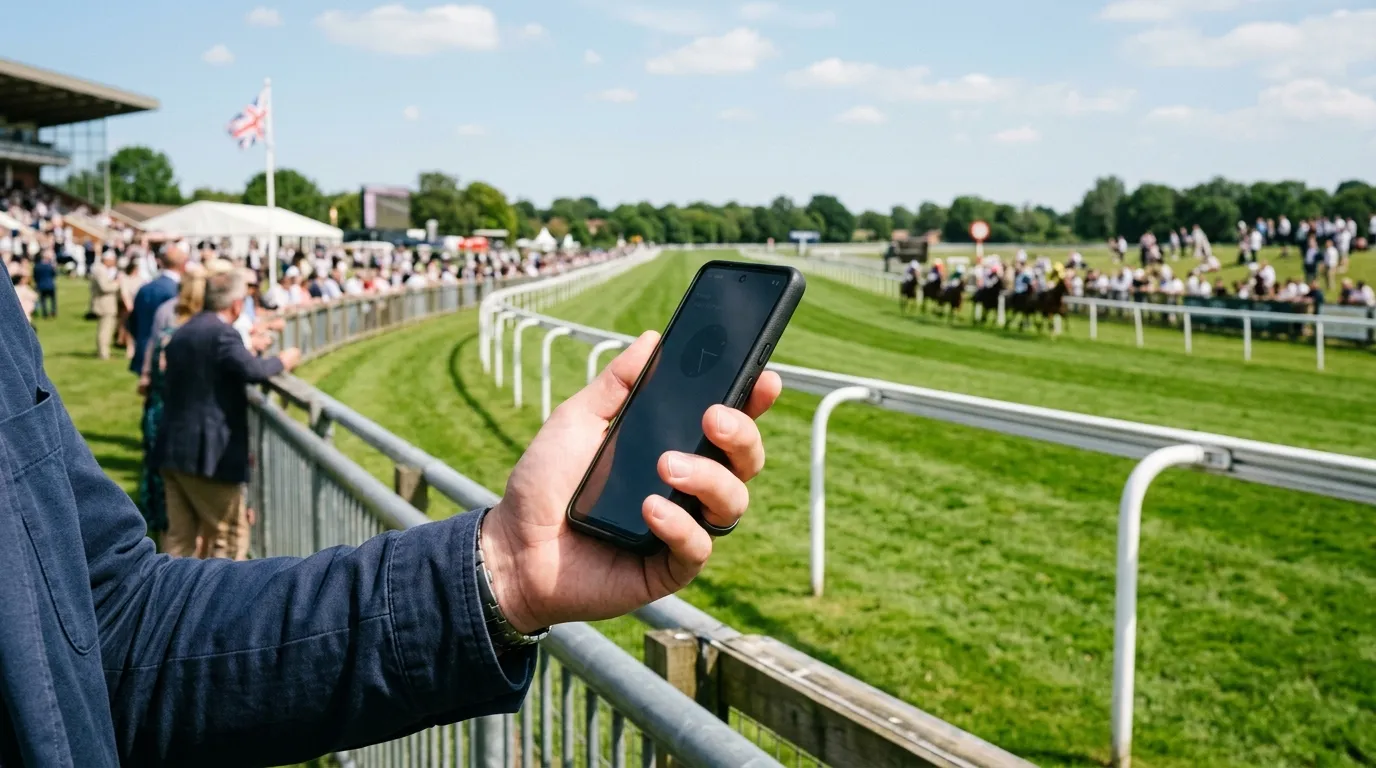
More Than 80% of UK Horse Racing Bets Now Come Through a Phone
Three years ago I placed an in-play bet from the Cheltenham grandstand using a betting app that took four taps to execute: open the in-play section, find the race, select the runner, confirm the stake. By the time I’d completed the fourth tap, the price had moved three points against me. The bet still landed, but I’d lost value on the execution. That experience — watching profit evaporate between taps — made me rethink everything about how I use mobile apps for racing.
Over 80% of bets at the 2024 Cheltenham Festival were placed via mobile devices. That’s not a trend heading in one direction — it’s already the dominant mode of engagement with UK horse racing betting. The phone is where the market lives, and the quality of the app you use determines the speed, accuracy, and value of every bet you place.
Key App Features for In-Play Horse Racing
Not every betting app treats horse racing equally. Some are designed primarily for football, with racing bolted on as an afterthought. The apps that work best for in-play racing share a set of specific features that generic sports betting interfaces lack.
Integrated live streaming is the baseline. An app that forces you to watch the race on a separate platform while placing bets in the betting app is asking you to split your attention and lose execution speed. The best racing apps embed the stream directly in the in-play interface, so the pictures and the betting slip share the same screen. One-tap bet placement — where you pre-set your stake and confirm with a single touch — is the difference between catching a price and watching it disappear.
Quick bet functionality matters for in-play. Some apps allow you to pre-load a default stake amount, so when a price moves in your favour during a race, you can execute immediately without typing a number. Others offer “bet in one click” settings that bypass the confirmation step entirely. This sounds reckless, but for experienced in-play bettors who’ve already done their pre-race analysis, the confirmation dialogue is just friction.
Push notifications for non-runner alerts, going changes, and market moves are useful for pre-race preparation. If you’ve shortlisted three races for the afternoon, a notification that the favourite has been withdrawn from one of them — triggering a Rule 4 scenario — gives you time to reassess before the race. Apps that let you customise notification triggers by meeting, race type, or specific horse are genuinely more useful than those offering only blanket alerts.
Cash-out speed on mobile is another differentiator. An in-play cash-out request that takes four seconds to process on a slow app might take under one second on a faster one, and in a live horse race, that three-second gap can mean the difference between cashing out in profit and cashing out at a loss — or having the cash-out offer withdrawn entirely because the race situation changed during processing.
Data Speed, Latency, and Mobile In-Play Performance
With 24.4 million active online gambling accounts in the UK, the demand on mobile infrastructure during peak racing hours — particularly on festival Saturdays — is enormous. App performance under load is the real test, and most punters only discover their app’s limitations when it matters most.
Latency — the time between you tapping “place bet” and the server confirming the bet — varies by app, by network condition, and by server load. On a quiet Tuesday at Sedgefield, most major apps process bets in under a second. On Gold Cup day at Cheltenham, with a hundred thousand users hitting the same server simultaneously, that processing time can stretch to three or four seconds. If the in-play odds are moving every second, a four-second processing time means you might not get the price you requested.
5G connectivity has improved mobile latency where available, but 5G coverage at UK racecourses varies wildly. Major courses near population centres typically have strong 5G. Rural National Hunt tracks in Wales or northern England might still be on 4G or, in some spots, 3G. If you’re betting on-course, test your connection during the first race before committing to in-play bets later on the card.
App size and resource usage matter too. Bloated apps with heavy graphics and embedded video struggle on older phones, particularly when background apps are competing for memory. Closing other apps before race time isn’t superstition — it’s practical resource management that directly affects how quickly your betting app responds.
Mobile-Specific Promotions and Push Notifications
Several operators run promotions exclusively for mobile users — enhanced odds on specific races, free-bet triggers for in-app betting activity, and accumulator boosts available only through the app. These offers are designed to drive app engagement, and while they shouldn’t be the primary reason you choose an operator, they represent genuine additional value if you’re placing the bets anyway.
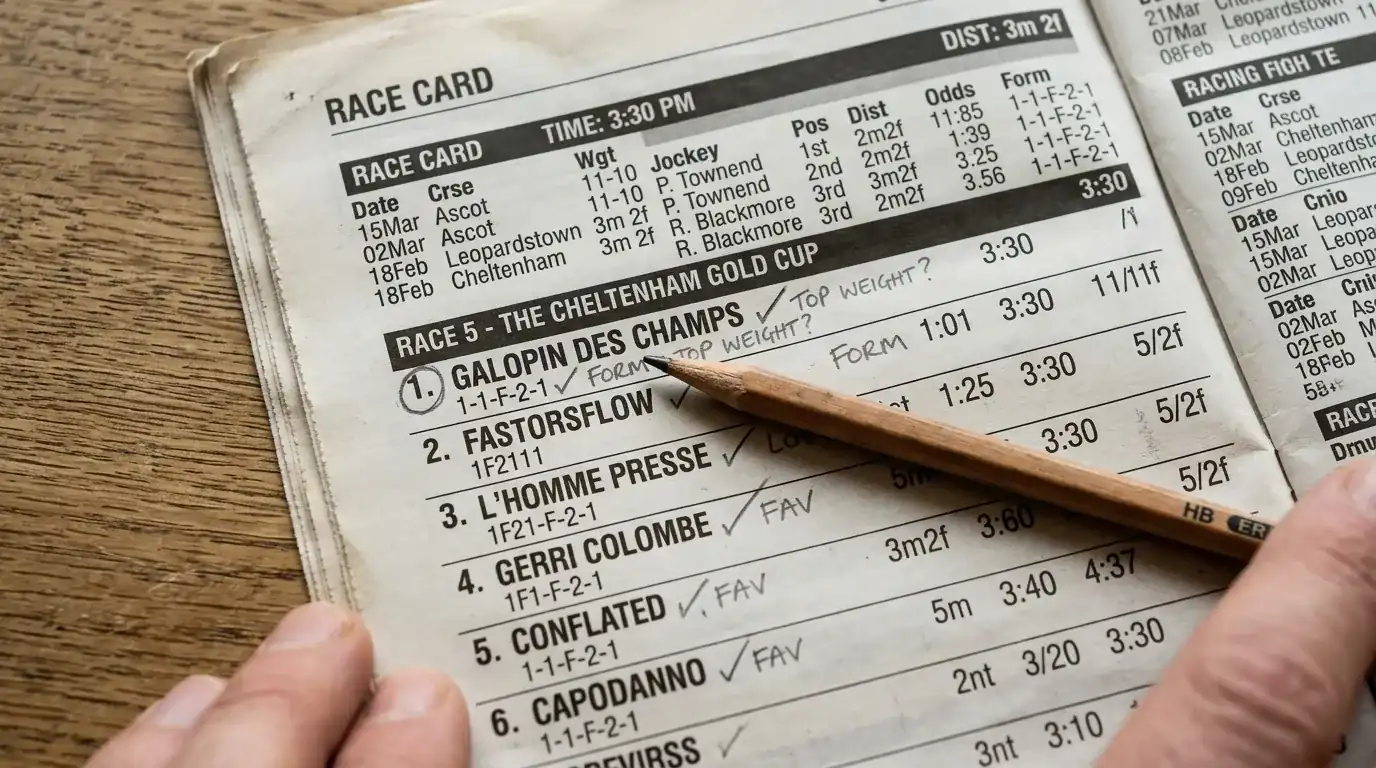
The most useful mobile-specific feature, in my experience, is the racecard within the app. A well-designed mobile racecard gives you form figures, going preferences, trainer and jockey data, and a direct link to the betting market for that race — all in one scrollable view. The apps that separate the racecard from the betting interface, requiring you to navigate between two sections, add unnecessary friction to the pre-race analysis process.
Personalisation features — such as saving favourite racecourses, following specific trainers, or setting default bet types — sound trivial but save meaningful time across a full race day. On a Saturday card with thirty races across six meetings, the ability to filter your app to show only the meetings you’ve pre-analysed eliminates the noise and keeps your attention where it belongs.
The phone is no longer a secondary platform for horse racing betting — it’s the primary one. Treating your app choice with the same seriousness you’d give to selecting a bookmaker is not excessive; it’s proportionate to how much your execution environment affects your results. For a broader look at how UK live betting on horse racing works, the mobile experience is now central to every aspect of in-play wagering.
Mobile Betting Questions Answered
Is in-play horse racing betting faster on app or mobile browser?
Native apps are almost always faster than mobile browser versions. Apps maintain a persistent connection to the operator’s server, load pre-cached interface elements, and process bet confirmations more efficiently. Mobile browser betting adds overhead from the browser itself and typically lacks features like one-tap bet placement and integrated streaming. If you bet in-play regularly, using the native app is a clear advantage.
Which UK horse racing apps offer live streaming within the app?
Most major UKGC-licensed operators embed live horse racing streams directly within their mobile apps. The requirement to access the stream is usually a funded account or a recently placed bet. Stream quality, delay, and integration with the betting interface vary by operator. Testing two or three apps before committing to a primary platform is the best approach for finding the one that suits your in-play workflow.
Written by the editors at Live Betting Horse Racing.