Ante-Post Horse Racing Betting: When Early Prices Offer Real Value
 Available in US
Ante-Post Bets Lock in a Price Weeks Before the Race — and Carry a Unique Risk
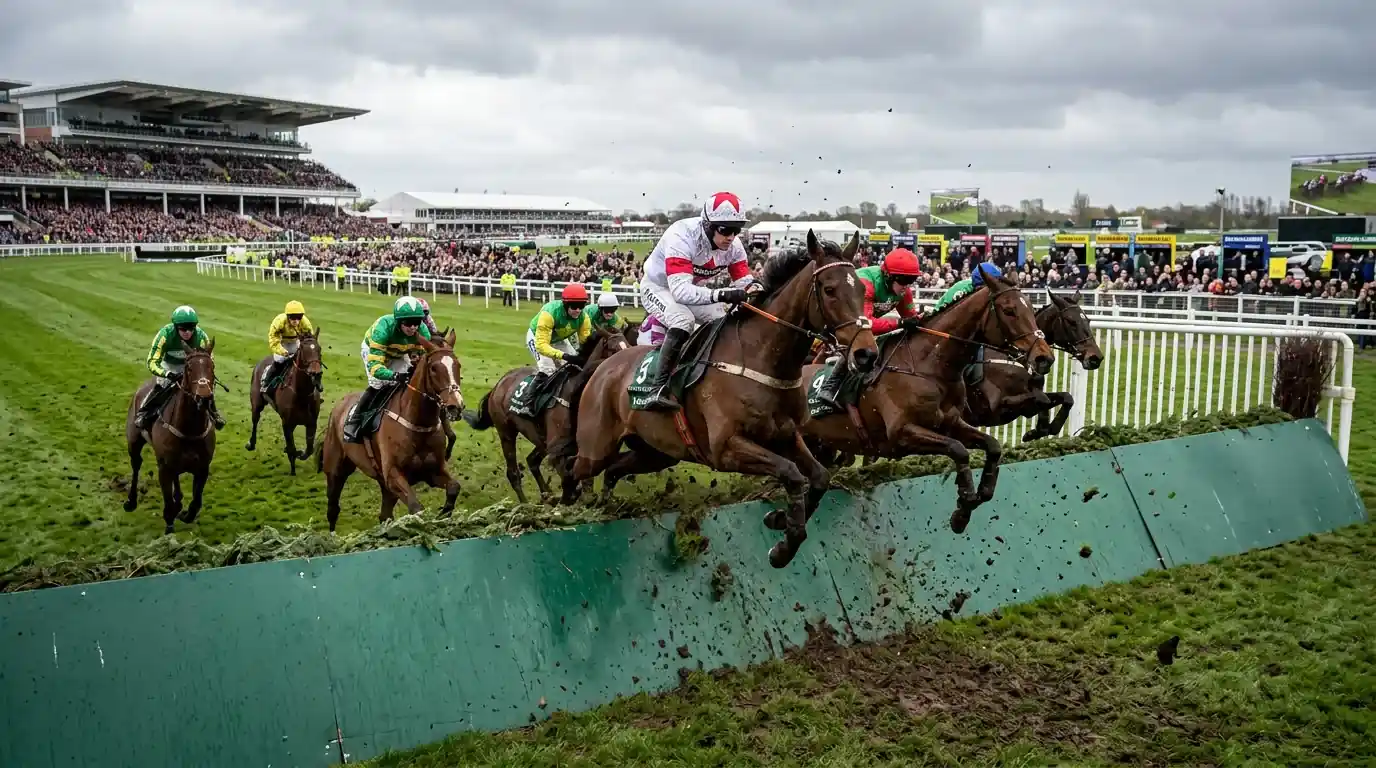
I took 33/1 about a horse for the Cheltenham Gold Cup in November 2023. By March, the same horse was 8/1 in the day-of-race market. It finished third. The return on my each-way ante-post bet at 33/1 was four times what I’d have earned taking the 8/1 on the morning of the race. That single bet justified months of patience and the stomach-churning knowledge that if the horse hadn’t made it to Cheltenham — injury, illness, a change of plan — I’d have lost my stake with no refund.
That’s the ante-post trade-off in a sentence: bigger prices in exchange for non-runner risk. Every one of the 28 races at Cheltenham Festival 2025 ranked in the season’s top 31 by betting volume, and a significant portion of that turnover was placed ante-post in the weeks and months before the meeting. The punters taking those early prices weren’t gambling blindly — they were making a calculated assessment that the potential price advantage outweighed the risk of losing their stake to a withdrawal.
How Ante-Post Betting Works and Why Rule 4 Doesn’t Apply
An ante-post bet is any wager placed before the final declarations for a race are confirmed — typically at least 48 hours before the off for most UK meetings, and weeks or months before for major festivals. The defining characteristic is that your stake is not returned if your selection doesn’t run. No Rule 4 deduction, no refund, no void bet. The horse is withdrawn, and your money is gone.
This sounds harsh, and it is. But the harshness is priced into the odds. Ante-post prices are longer than day-of-race prices precisely because the market compensates you for absorbing the non-runner risk. A horse that will be 5/1 on race day might be 12/1 ante-post four weeks out. The gap between those two prices is the market’s implicit valuation of the risk that the horse doesn’t make the race. Your job is to decide whether that gap is wide enough to justify the risk.
The absence of Rule 4 also means that other withdrawals from the race don’t affect your payout. If you’ve taken 12/1 ante-post and three fancied rivals are subsequently withdrawn, your odds don’t change and no deduction is applied. You simply benefit from the reduced competition at your original price. This is one of ante-post betting’s hidden advantages — the price protection works both ways, insulating you from the deductions that erode day-of-race payouts.
Where Ante-Post Value Appears in the UK Racing Calendar
Not all ante-post markets are created equal. Value concentrates in specific windows and specific race types, and spreading your ante-post activity across the wrong events is a reliable way to leak money.
The richest ante-post markets surround the major festivals: Cheltenham in March, Aintree in April, Royal Ascot in June, and the Ebor Festival at York in August. The Aintree Festival alone generates over 200 million pounds in betting turnover across its three days, with the Grand National accounting for the lion’s share. Ante-post books for these events open months in advance, and the prices in those early markets reflect genuine uncertainty that the day-of-race market eliminates.
The key is to identify horses whose trial form will shorten their price between now and the target race. If a horse is 20/1 for the Champion Hurdle in December and you believe it will run well in its January and February trials, taking the 20/1 now captures the value before those trial performances compress the price. The risk is that the horse runs poorly in trials or picks up an injury, but if your assessment of the horse’s ability is sound, the price advantage compensates for the occasional loss.
Smaller meetings and midweek cards rarely offer ante-post value because the markets don’t move enough between opening and race day. The price you take on a Wednesday novice hurdle at Catterick a week in advance won’t be materially different from the morning price. Ante-post betting is a big-event strategy — it works because the volume of public money that floods into major meetings on race day shortens prices dramatically, and being ahead of that wave is the entire point.
Managing Non-Runner Risk in Ante-Post Markets
The non-runner risk is real and unhedgeable through the standard bet structure. But there are practical ways to manage it that go beyond simply accepting the loss and moving on.
First, stake sizing. I never allocate more than 2% of my betting bankroll to any single ante-post bet, regardless of how confident I am. The non-runner probability on any given horse for a major festival is somewhere between 15% and 30%, depending on the time horizon and the horse’s injury history. That’s a high enough failure rate that even well-judged ante-post bets will lose to withdrawals regularly.
Second, timing. The closer to declarations you place your ante-post bet, the lower the non-runner risk — but the shorter the price. There’s a sweet spot, usually two to four weeks before the race, where the price still offers meaningful ante-post value but the horse has been through its final prep run and the trainer has publicly committed to the target. Taking a price six months out doubles the non-runner risk without necessarily doubling the price advantage.
Third, monitoring. Once you’ve placed an ante-post bet, track the horse’s progress through subsequent entries, workouts, and trial races. If a clear signal emerges that the horse won’t make its target — a setback reported by the trainer, a disappointing trial, a change in the stable’s plans — you can sometimes trade out on an exchange by laying the horse at a shorter price than you backed it, locking in a partial profit or reducing your exposure. This requires an exchange account and a willingness to manage the bet actively, but it transforms ante-post from a set-and-forget gamble into a position you can adjust. For the mechanics of how that exchange trading process works, the back-and-lay structure is built for exactly this kind of scenario.
Ante-Post Questions Answered
Do I get my money back if my ante-post selection is a non-runner?
No. The defining feature of an ante-post bet is that your stake is forfeit if the horse doesn’t run. There is no refund and no Rule 4 applies. This non-runner risk is the reason ante-post prices are longer than day-of-race odds — the market compensates you for absorbing this risk through better prices.
When is the best time to take ante-post prices for Cheltenham?
The optimal window is usually two to four weeks before the Festival, after the key January and February trial races have been run. By that point, the horse has demonstrated current form and the trainer has typically confirmed Festival intentions, reducing non-runner risk significantly while still offering prices that are meaningfully longer than the morning-of-race market. Taking prices earlier offers bigger odds but carries substantially higher withdrawal risk.
Published by the Live Betting Horse Racing team.