Going Conditions in Horse Racing: How Ground Affects Odds and In-Play Value
 Available in US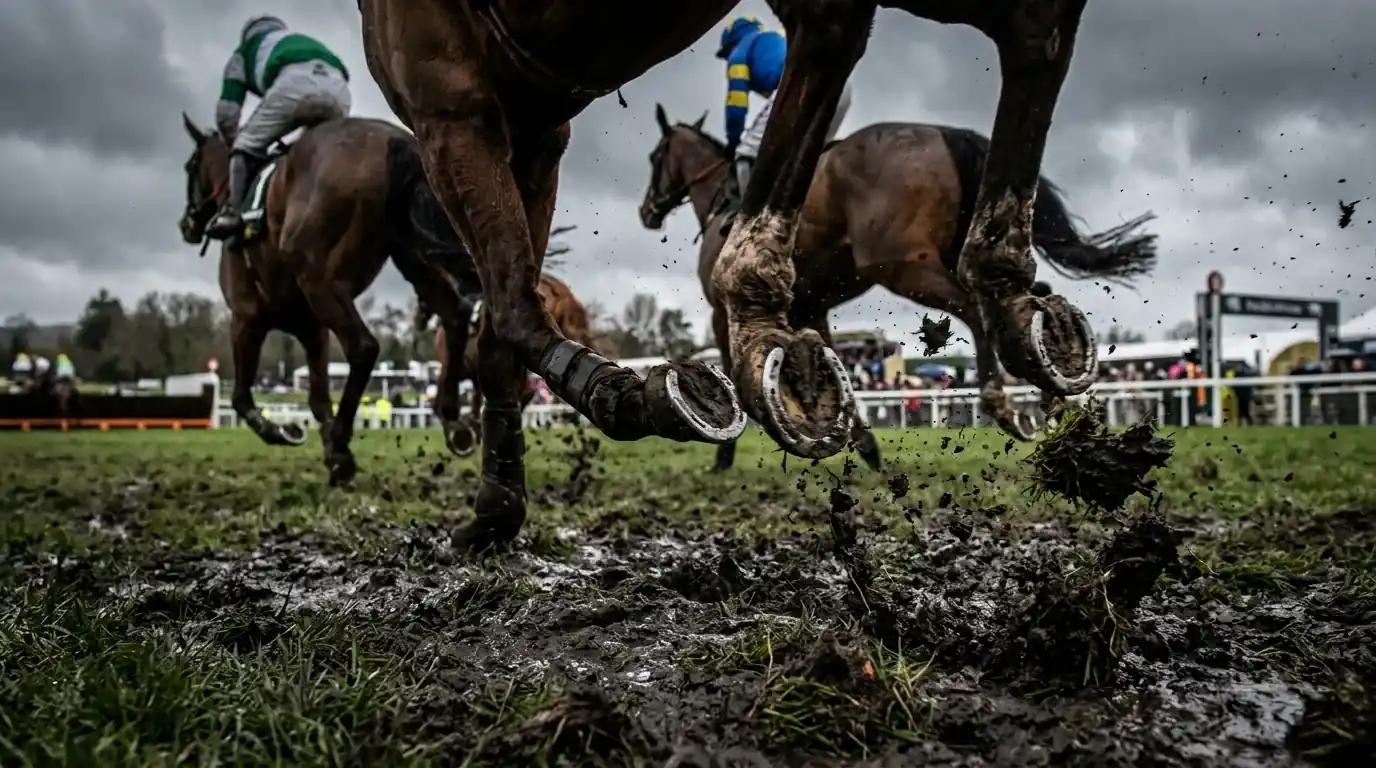
Going Changes Everything About a UK Horse Race — Including the Betting Market
I backed a well-fancied favourite at Haydock last November. The forecast said dry, the going was announced as good-to-soft, and my selection had won three times on that surface. By the time the race went off, overnight rain had turned the ground into genuine soft bordering on heavy. The horse laboured from halfway and finished a distant fifth. The going had changed between declaration and post time, and I hadn’t checked the update. That twenty-five pound lesson taught me more about UK racing than any form guide ever did.
Ground conditions are not a secondary factor in British horse racing — they are a primary variable that reshapes the entire competitive picture. A horse that dominates on firm ground can be rendered completely non-competitive on heavy, and vice versa. The going report is published for every UK meeting, updated in real time as conditions change, and yet a remarkable number of punters treat it as background noise. It’s anything but.
The Going Scale: From Firm to Heavy
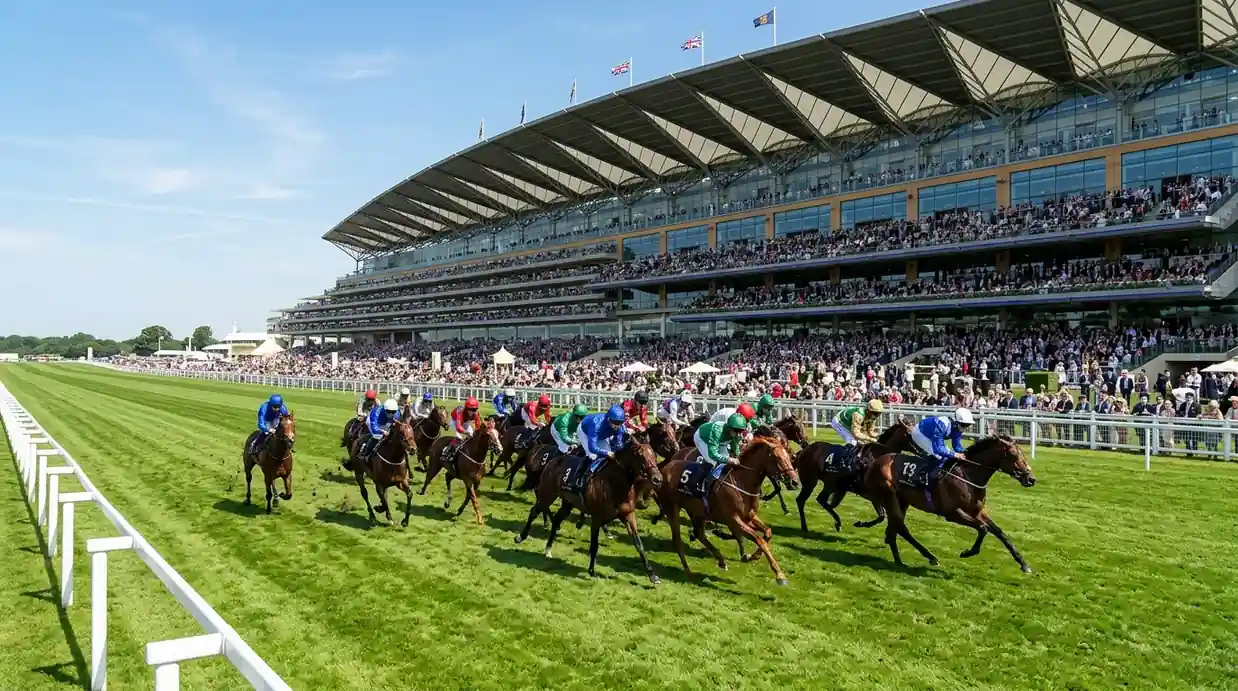
UK racecourses describe going on a standardised scale, and each point on that scale represents a meaningfully different racing surface. Racecourse attendance reached 5.031 million in 2025, and every one of those racegoers walked on ground that directly determined which horses had the advantage that day.
On Flat turf courses, the scale runs: hard, firm, good to firm, good, good to soft, soft, heavy. Hard ground is rare in Britain and generally avoided by clerks of the course because of injury risk. Firm is fast and favours speed horses with a low, efficient action. Good to firm is the default summer surface on well-maintained Flat tracks. Good is the universal descriptor for “somewhere in the middle” — most horses handle it, few are disadvantaged. Good to soft introduces give in the ground, and horses need more stamina to maintain their pace. Soft ground is demanding, heavy ground is exhausting, and both heavily favour horses with proven stamina and a high knee action that lifts them through the surface.
National Hunt racing uses the same scale but encounters the softer end more frequently because jump racing runs predominantly through autumn and winter. A typical mid-January card at Chepstow or Carlisle might be described as heavy — conditions that a sharp Flat sprinter would consider borderline unraceable but that staying chasers thrive on.
The GoingStick — a mechanical device pushed into the turf to measure penetration and shear strength — provides an objective reading alongside the clerk of the course’s subjective description. GoingStick readings are published and can be tracked across a meeting, giving you a quantitative indicator of whether conditions are drying out or deteriorating. A reading of 8.0 or above is typically firm. Below 6.0 is soft. Below 5.0 is approaching heavy. These numbers are more reliable than verbal descriptions, which can be influenced by how the clerk interprets the same conditions at different parts of the course.
How Going Affects Odds Formation and Market Movements
The market prices going preferences, but it doesn’t price them perfectly. When overnight rain turns good-to-firm ground into good-to-soft at a summer Flat meeting, the horses with soft-ground form see their odds shorten, and the horses bred for fast ground drift. That repricing happens through the weight of money — punters who understand going bet accordingly, moving the market. Favourites win about 34% of all UK races as a baseline, but that figure fluctuates significantly depending on whether the favourite suits the prevailing conditions.
The opportunity lies in the lag. Going changes are reported by racecourses, but not every punter monitors updates in real time. If a clerk of the course inspects at 8:00 AM and calls the ground good, the early-morning market is priced on that assessment. If a second inspection at noon changes the going to good-to-soft after morning rain, the market adjusts — but not instantly. Punters who spot the change first, and know which horses benefit, can take prices that don’t yet reflect the new conditions.
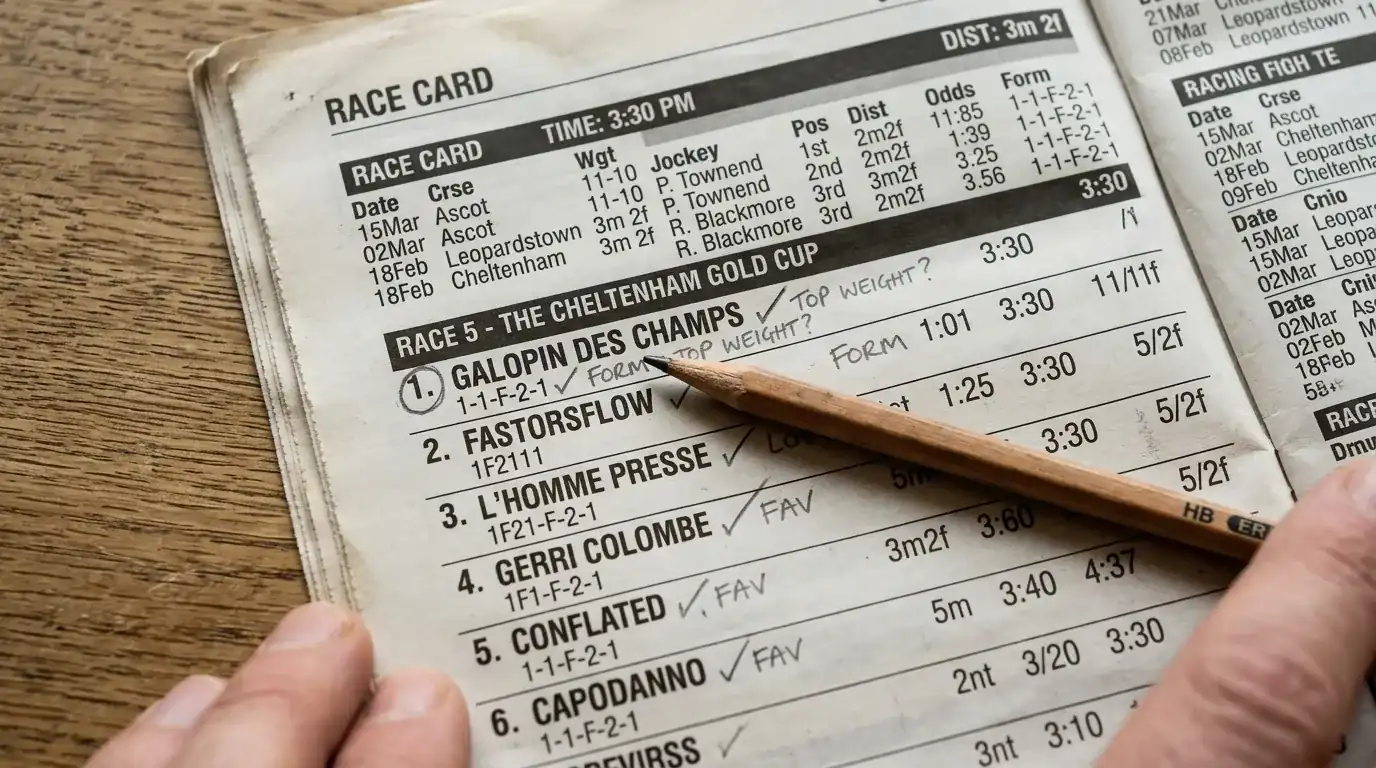
I’ve made it a habit to check going updates thirty minutes before every race I’m interested in. The official going is published on the racecourse’s feed and on most major racing data sites. Cross-referencing that with the weather radar — ten-minute rainfall forecasts are freely available — gives you a real-time picture that most casual punters never bother to assemble.
Factoring Going Into In-Play Decisions
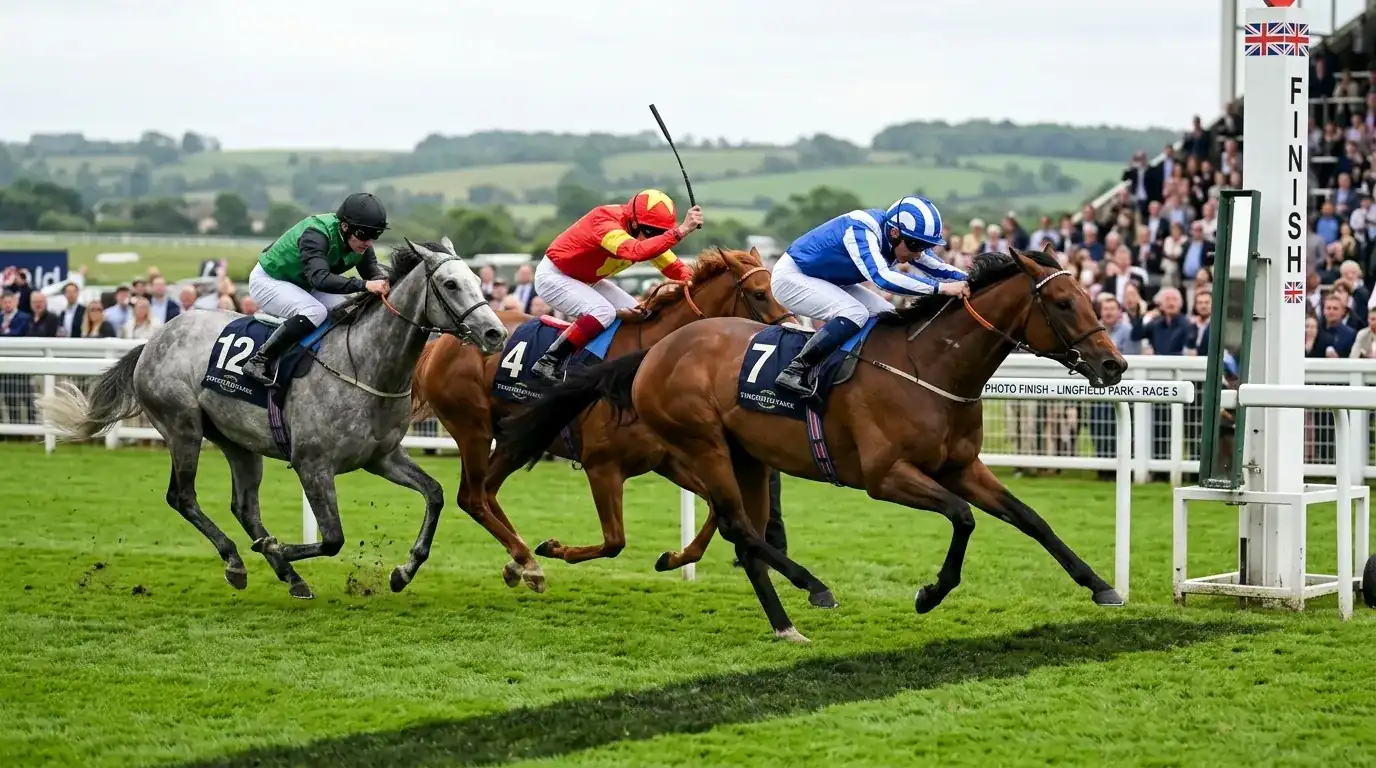
Going doesn’t just affect pre-race selection — it changes how races unfold in-play. On heavy ground, front-runners tire more quickly because the energy cost of breaking the ground is highest for the horse leading without shelter. The in-play market often overprices leaders on heavy going because the visual impression of a horse bowling along in front at halfway doesn’t account for the stamina drain that hits in the final quarter mile.
On firm ground, the reverse applies. Speed horses can maintain their advantage longer because the surface offers less resistance, and closers find it harder to make up ground because the leader isn’t tiring as rapidly. If you’re betting in-play on a firm-ground Flat race and the leader has a two-length advantage turning for home, the probability of that horse holding on is higher than the same scenario on soft ground.
Rain during a meeting changes the equation mid-card. I’ve seen the going change from good to good-to-soft between the third and fourth races at an afternoon meeting because of a heavy shower. The market adjusts for the later races, but the adjustment is often incomplete — particularly for handicaps where the detailed going preferences of mid-range runners haven’t been widely analysed. That’s your window. A horse that was a marginal interest on good ground can become a strong in-play bet if the rain falls in its favour and the market hasn’t fully repriced.
The bottom line is simple: ground is not decoration on the racecard. It’s a fundamental variable that determines which horse has the physical advantage. Ignoring it is like reading the form guide but skipping the page that tells you whether the race is run uphill or down. Every other piece of analysis you do is only as good as your assessment of the surface it runs on.
Going Conditions Questions Answered
How late can going conditions change before a UK race meeting?
Going can change right up until race time. Clerks of the course conduct inspections on the morning of the meeting and can update the official going description at any point during the day if conditions shift due to rain or drying. Some racecourses publish real-time GoingStick readings throughout the afternoon. Checking the going thirty minutes before your target race is a sensible minimum.
Is heavy going more profitable for each-way betting at long odds?
Heavy ground increases the randomness of outcomes because it tests stamina to the extreme and can cause well-fancied horses to underperform. In big-field handicaps on heavy ground, longer-priced horses with proven stamina reach the places more frequently than on fast ground, where class typically prevails. This makes each-way bets on stamina-proven outsiders more viable on heavy ground, though it does not guarantee profitability — each race must be assessed individually.
Created by the ”Live Betting Horse Racing” editorial team.